How to Start Your E-Commerce Business with Zero Experience
November 6, 2025

Finding Your Perfect Niche
The most common mistake new e-commerce entrepreneurs make is trying to sell everything to everyone. They create a store that looks like a mini Amazon, hoping something will stick. This approach almost always fails because generalists get crushed by specialists. The merchants who win are the ones who carve out a specific corner of the market and dominate it.
Your niche is the foundation of your entire business. It determines your branding, marketing strategy, and product sourcing. Choosing the right niche is the single most important decision you will make.
Before looking at market trends, look inward. Ask yourself what problems you can solve. The most profitable businesses are built on solving real problems. Your personal pain points are goldmines for business ideas because you understand the frustration intimately.
You should also consider what you are genuinely passionate about. When you run an e-commerce store, you will spend countless hours working on it. If you are not interested in your products, you will burn out quickly. Passionate founders naturally create better content and persist through tough times.
After identifying potential niches, it is time to bring in the data. Do not fall in love with your first idea. Let the market tell you if it is viable. Check demand by using Google Keyword Planner to see how many people are searching. If nobody is searching, there is no demand. If everyone is searching, you need to find a unique angle.
Analyze competition by searching for your products on Amazon and Google. If the top competitor has thousands of reviews, that is a red flag. If there are only a few competitors, you might have found an opportunity. Consider profit margins too. Your product cost should be roughly 25 to 30 percent of your selling price to leave room for marketing and healthy profits.
Remember, a niche is not forever. As you grow, you can expand into adjacent categories. But in the beginning, narrow focus is your superpower. Choose your niche carefully, and you will have built the strongest possible foundation for long-term success.
Choosing Your Platform and Launching
You have found your niche and now you are ready to build your store. The platform you choose will determine your store's capabilities and growth potential. Make the wrong choice, and you will be fighting your technology instead of focusing on customers.
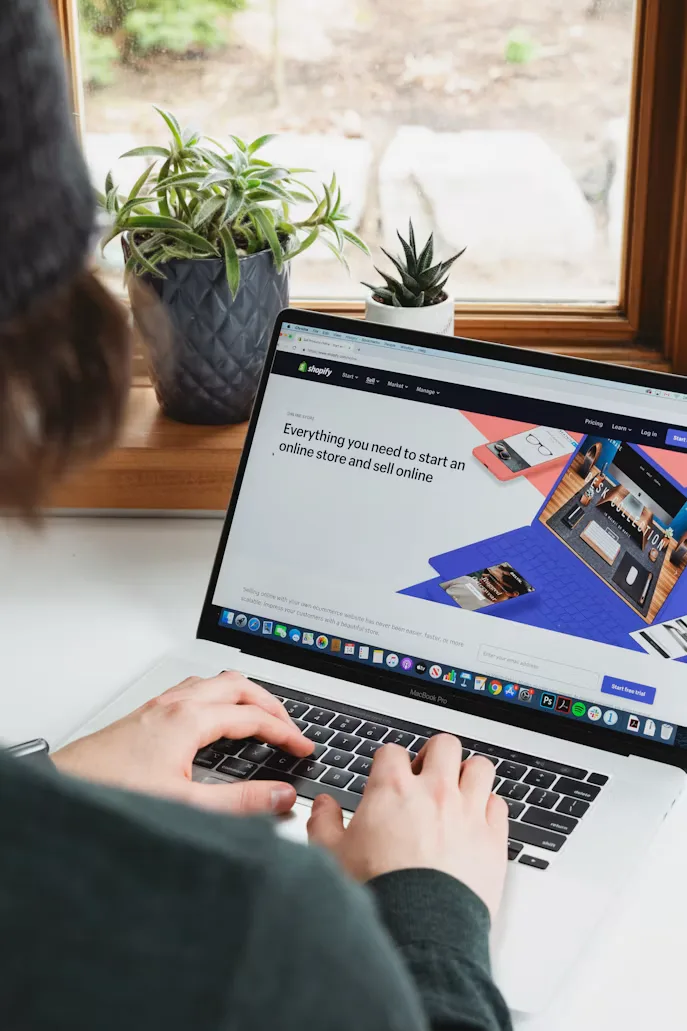
The right choice usually comes down to three major players. Shopify is the most popular platform for a reason. It handles everything including hosting, security, and payment processing. It is incredibly user-friendly with zero coding required. The downsides are the monthly fee starting at ₱1,600 and transaction fees if you do not use Shopify Payments. For most beginners, Shopify is the best choice because it handles everything so you can focus on selling.
WooCommerce is a WordPress plugin that offers unmatched flexibility. You own everything including your data and hosting. It is completely free with no monthly subscription. The downsides are that you need to manage your own hosting and security, and there is a steeper learning curve. BigCommerce sits between the two with powerful built-in features but annual sales limits on lower-tier plans.
Whichever platform you choose, the setup process follows a similar pattern. Start by signing up and choosing your plan. Most platforms offer a free trial, so do not pay until you are ready to launch. Choose a theme but do not spend weeks perfecting your design. Get it to 80 percent and launch. You can refine as you go. Add your products with compelling descriptions and high-quality images. Set up payment processing and configure shipping. Finally, test everything before launch.
Now it is time to launch. But a quiet launch is a failed launch. Build anticipation by creating social media accounts and posting content about your niche weeks in advance. Build an email list with a lead magnet offering a discount code or free guide. On launch day, announce everywhere and partner with micro-influencers. After launch, talk to your first customers, analyze what worked, and keep improving.
The first month is critical. Monitor everything in week one. Analyze what is selling in week two. Collect customer reviews in week three. Review your data in week four and plan your next campaign.
The path from idea to store is littered with almost there stories. People spend months perfecting everything and never launch. Do not be that person. Your first store is not your final store. Launch with 80 percent and improve every single day. The perfect time to launch was yesterday. The next best time is today. You are ready. Go find your customers and start building your e-commerce empire.